

Precision Cooking: Cooktops with Temperature Sensors
No burning & perfect results – that’s precision cooking! Discover cooktops with temperature sensors in the magazine.
Reading time: approx. 2 minutes
Anyone who has ever let milk boil over or watched a pot of oil nearly burst into flames knows that mastering cooking temperatures is invaluable. This is precisely where modern cooktops with temperature sensors come into play: they measure the heat directly at the base of the pot, automatically adjust the power output, and eliminate the need for manual adjustments. For the kitchen, this means greater safety, better results, and lower energy consumption. Here in the magazine, we explain exactly how this sensor technology works and what matters most when choosing a cooktop with precise temperature control.

Cooktops with sensors
![[Zweite Wahl] Miele KM 7699 FR Herdunabhängiges Induktionskochfeld Schwarz](https://www.mykitchens.de/media/03/ba/60/1729001792/miele-km7699fr-induktionskochfeld-schwarz-produktbild.webp?ts=1729001792 "[Zweite Wahl] Miele KM 7699 FR Herdunabhängiges Induktionskochfeld Schwarz")







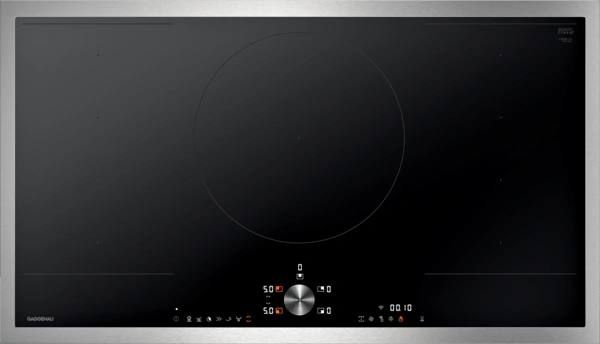
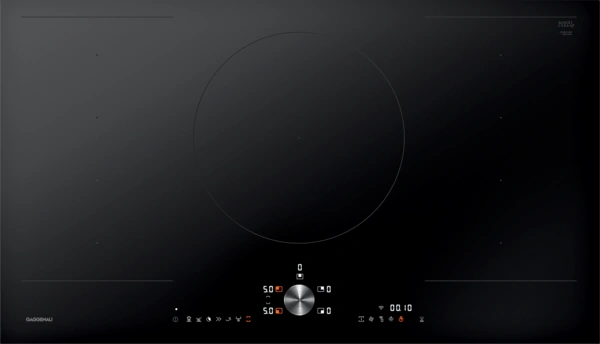
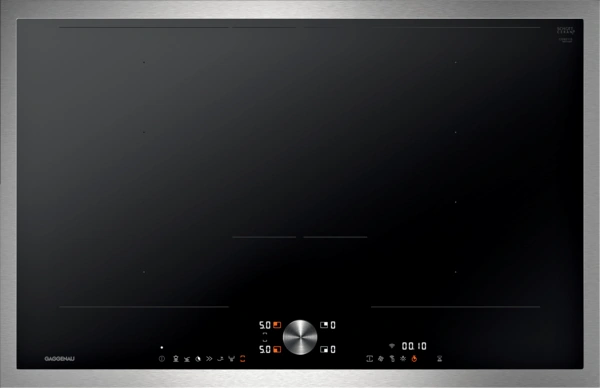

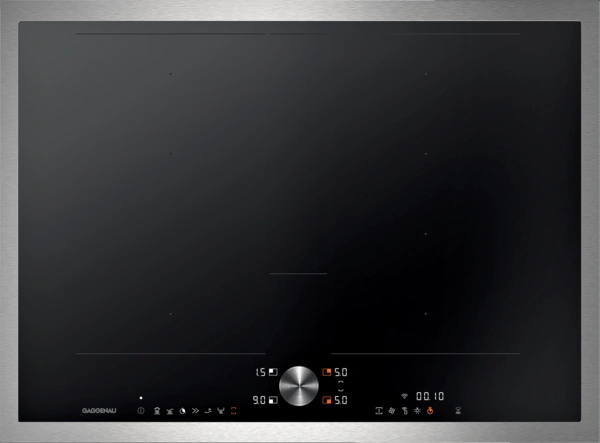
Which cooktop fits your kitchen?
We would be happy to provide personal advice and work with you to find the cooktop that fits your kitchen perfectly.
How does the cooktop temperature sensor work?
Unlike a conventional cooktop, where you have to manually adjust the power level, modern sensor technology takes over precise temperature control. Sensors integrated into the cooktop monitor the temperature inside the pot or pan. Once a preset value is reached, the cooktop automatically reduces the heat supply or maintains a constant temperature. Depending on the manufacturer, this modern feature is marketed under various names, such as "PerfectFry" or "frying sensor." However, the basic principle is usually similar, and the results are always perfect. Here are three examples for you.
- No power level (such as 1–9) is selected.
- The pan or pot maintains an exact temperature—for example, exactly 100°C.
- The temperature is kept constant and does not fluctuate.

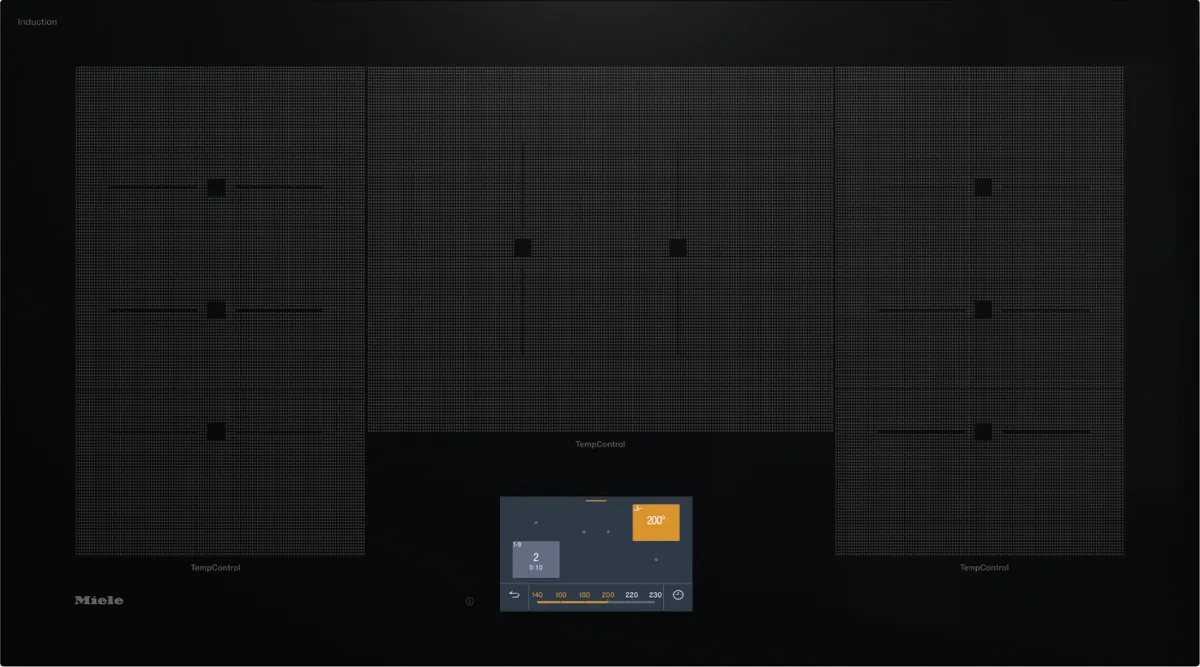
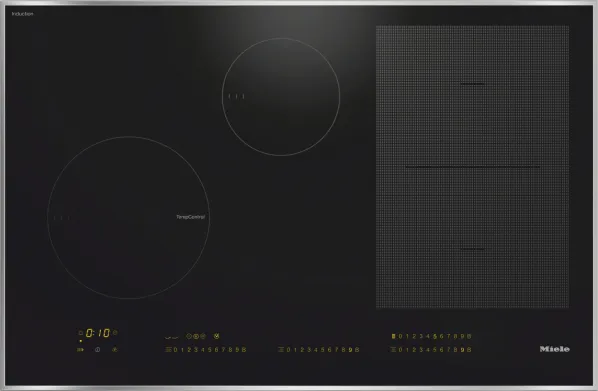
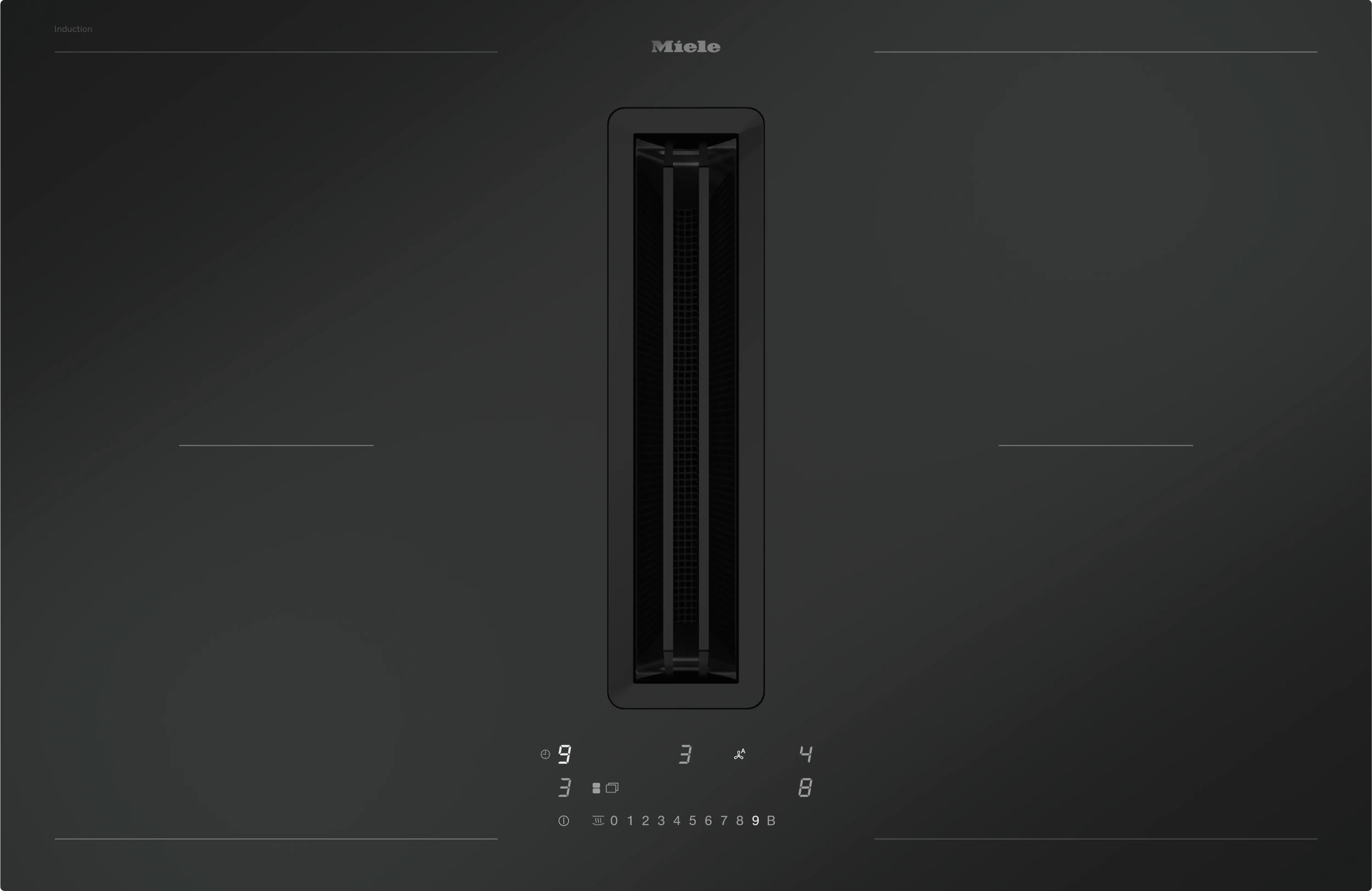
Miele TempControl
Miele TempControl is an integrated temperature sensor found in Miele induction cooktops. It automatically regulates the heat, preventing food from burning or overheating. Users can choose between three frying levels (e.g., for fried eggs, steaks, or high-heat searing) and a simmering level for sauces. Miele TempControl cooktops are complemented by other modern features, such as PowerFlex zones that adapt to the size of the cookware and smart connectivity via Miele@home.




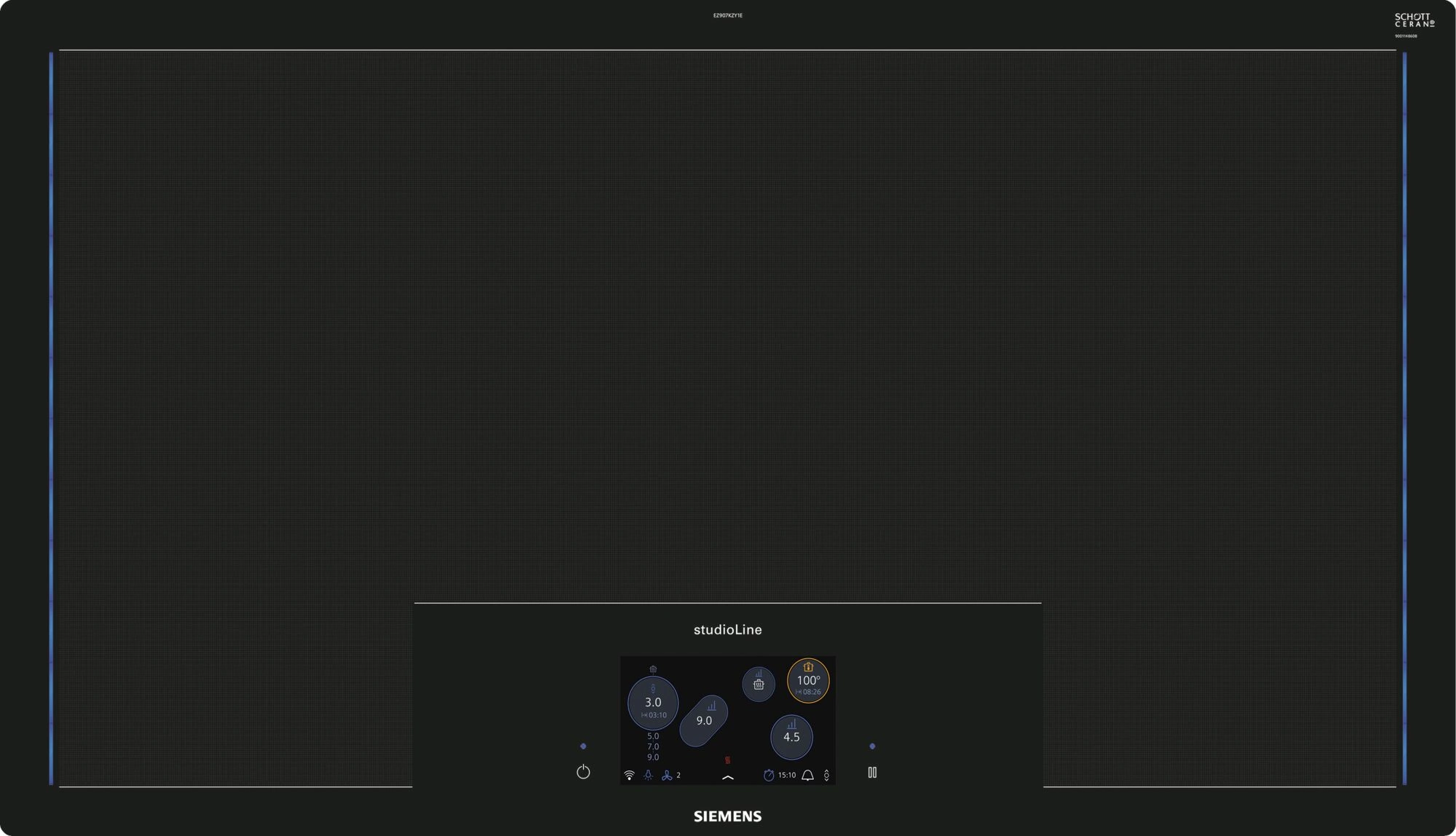
Siemens Frying Sensor Plus / Cooking Sensor Plus
The Siemens cooktop features two different sensors for temperature monitoring: The Siemens Frying Sensor Pro monitors the temperature during frying and automatically regulates the heat supply to prevent burning. The Siemens Cooking Sensor Plus additionally monitors and regulates the heat level to prevent boiling over or burning. Thanks to Home Connect, the Wi-Fi-enabled cooktop can also be conveniently monitored and controlled via smartphone.










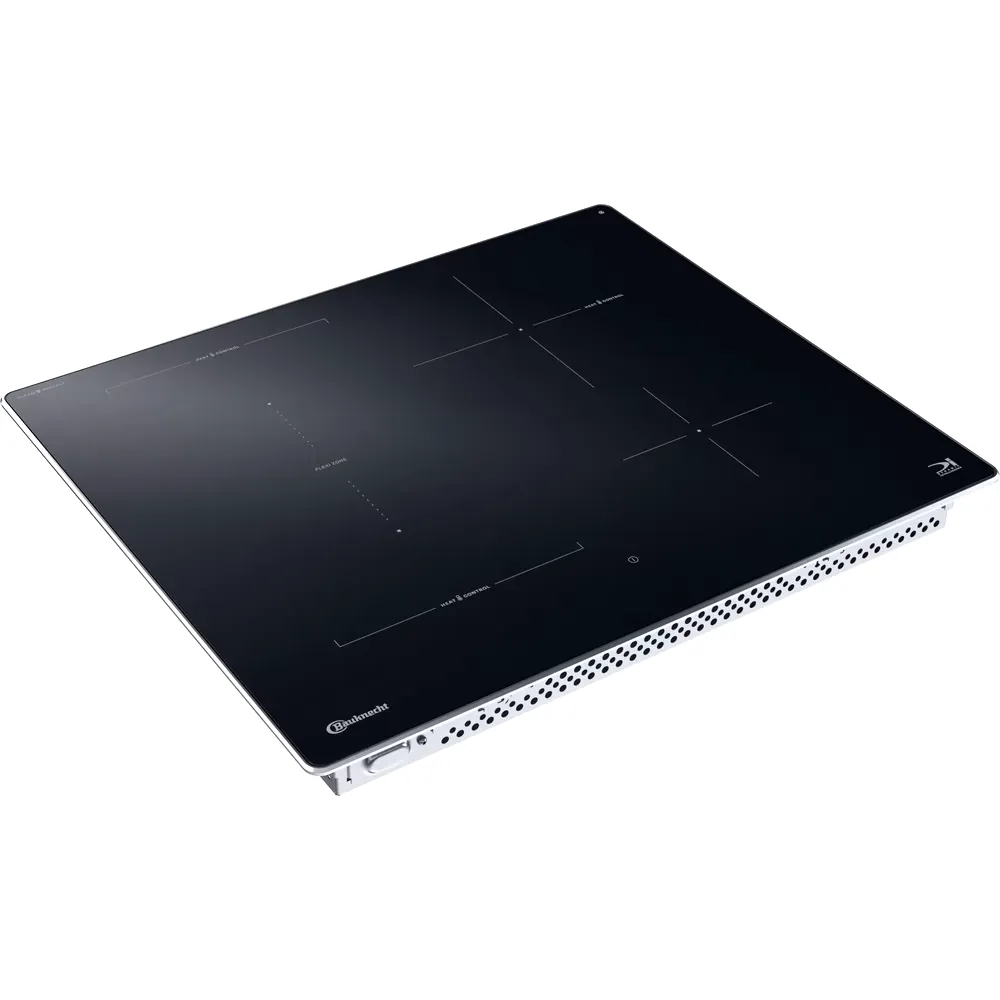
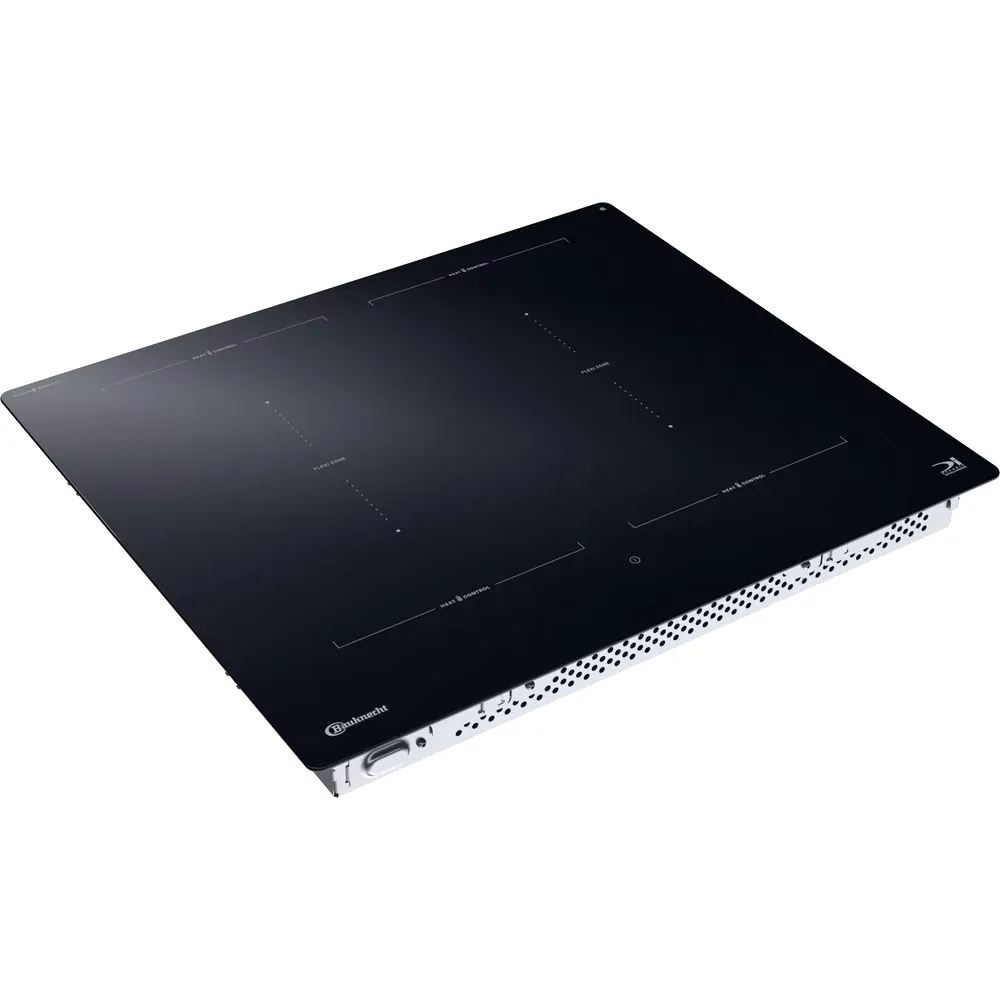
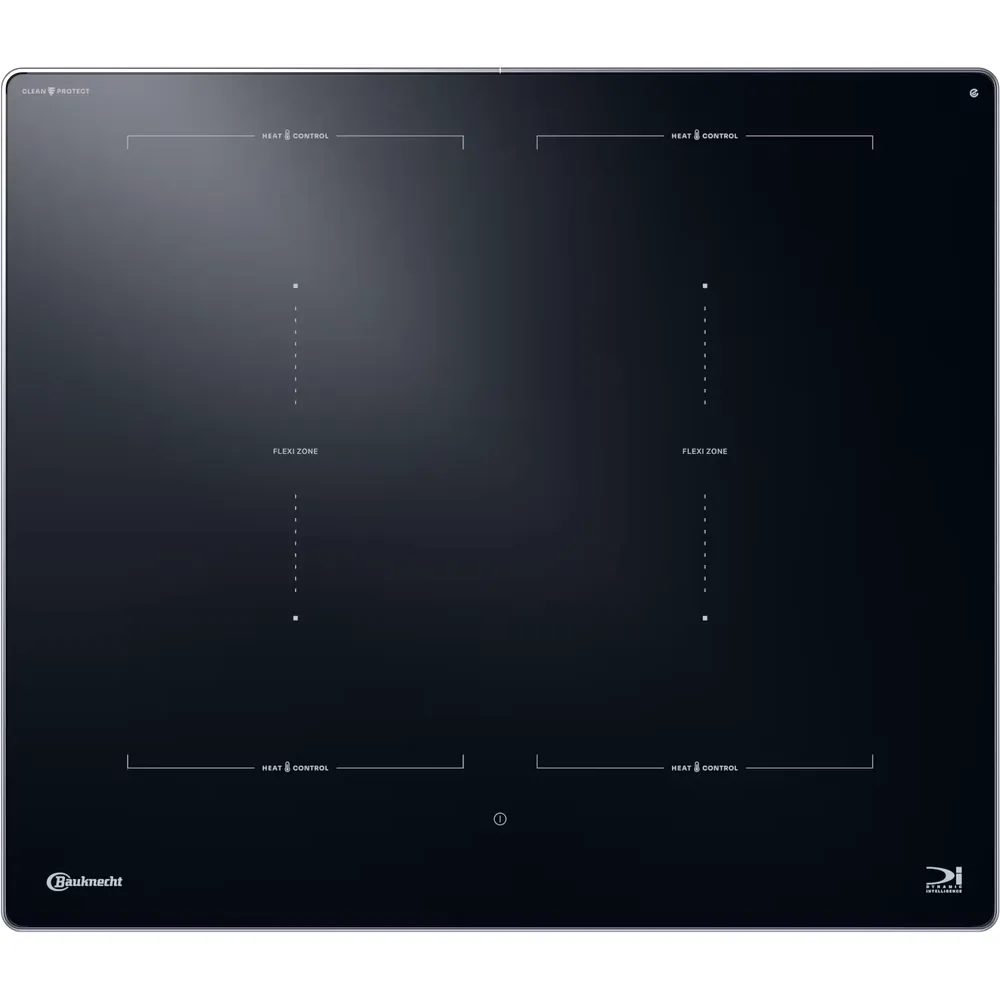
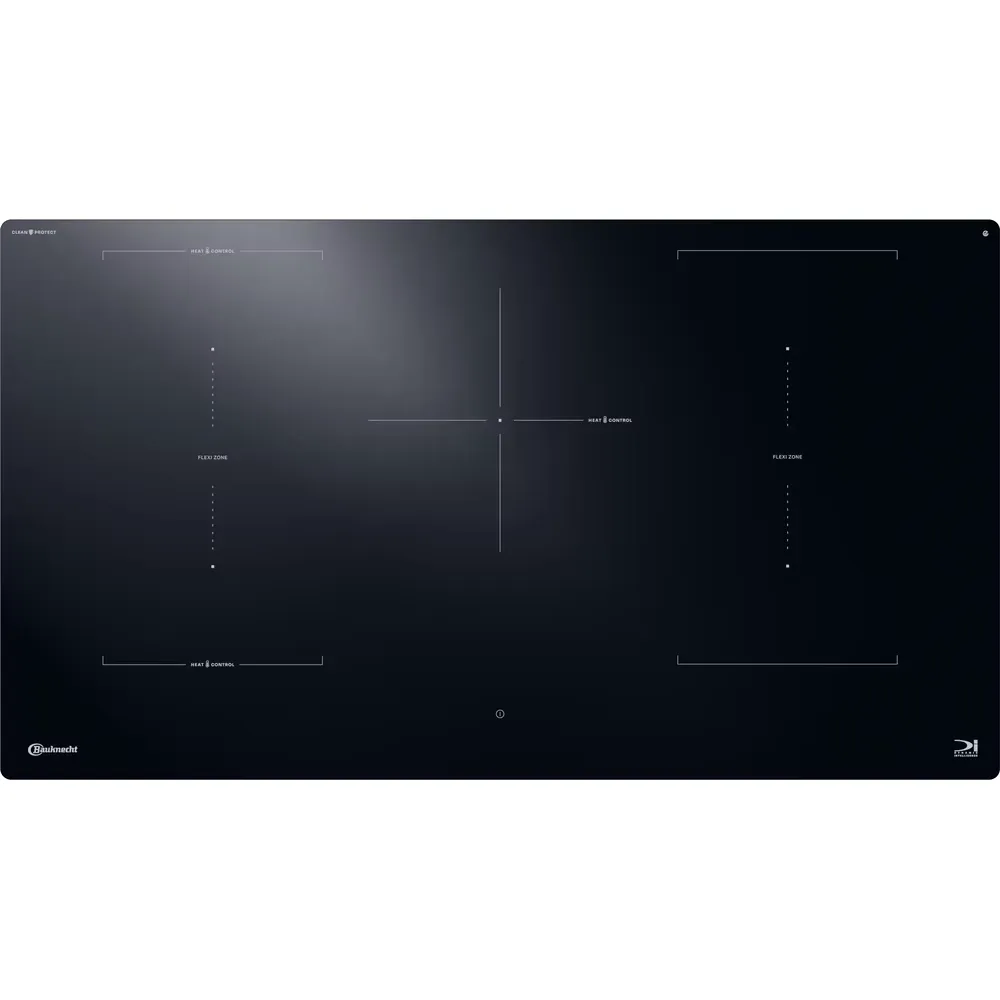
Bauknecht HeatControl
You can find comparatively affordable cooktops with temperature control primarily from Bauknecht. Bauknecht HeatControl acts like a personal cooking assistant, ensuring perfect results thanks to Dynamic Intelligence technology. Instead of power levels, you select the desired temperature in 5°C increments (e.g., 45°C for melting butter or 180°C for searing), which is then maintained at a constant level. With the Flexizone, pots can be moved around within the zone without the temperature changing.


| Manufacturer | Label | Sensors | Insert |
| Miele | TempControl | In the cooktop | Consistent temperatures |
| Siemens | Bratsensor Pro / Kochsensor Plus | On the cookware | Precise frying / cooking without boiling over |
| Bauknecht | HeatControl | In the cooktop | Temperature setting in increments (5°C) |
The biggest advantages
Already mentioned, but summarized here for a clear overview: the three biggest advantages of temperature-controlled cooktops.
#1 - Enhanced Safety
Continuously monitoring the cooktop temperature enhances safety during cooking and frying—particularly by providing protection against overheated oil or fat. Fat can easily ignite, especially when deep-frying or searing at high heat. The sensor detects critical temperatures and reduces the power output in time to prevent food from burning or the fat from overheating.
#2 - Better Results
Precise temperatures ensure better results. With a constant temperature, even challenging dishes—such as risotto or a perfect steak—turn out much more consistently.
#3 - Lower Energy Consumption
Since the cooktop supplies only as much energy as is actually needed, this smart technology allows you to save electricity while cooking. The low energy consumption is particularly noticeable when heating large quantities of water or simmering over extended periods.
Who benefits from a cooktop with temperature control?
It is clear that such a modern induction cooktop is not equally suitable for everyone. Home cooks who frequently deep-fry or sear food at high heat particularly benefit from these smart cooking features. The same applies to families with children—for whom safety at the stove is a priority—as well as anyone who values consistent cooking results and prefers not to make constant manual adjustments. Investing in a cooktop with a temperature sensor can also pay off in the long run by helping to save on energy costs.
It is less suitable for those on a tight budget, as modern cooktops generally require a higher financial outlay. Likewise, anyone who primarily cooks pasta, potatoes, or rice—and prepares less complex dishes—can easily do without intelligent cooktop sensors.

Conclusion
Cooktops with temperature sensors offer more than just a technical extra—they combine safety, convenience, and precision in the kitchen. Anyone who cooks regularly and values consistent results should definitely consider this feature when planning their next kitchen. We would be happy to provide personal advice on the best options for your kitchen!
More popular cooktops in the shop







FAQ
Frequently asked questions and answers about the cooktop with temperature sensor.
In the case of a cooktop with a temperature sensor, integrated sensors measure the exact temperature and adjust the energy supply accordingly. Depending on the manufacturer and model, the temperature sensors are either integrated into the cooktop beneath the glass-ceramic surface or attached directly to the bottom of the cookware.
A temperature sensor can be very helpful when you want precise results while cooking or baking. It monitors the temperature and automatically adjusts the power output. This prevents food from burning or boiling over, for example.
Didn't find the answer to your question? No problem! Send us your questions via our contact form or get personal advice from us directly regarding your new cooktop.
You might also be interested in
Discover similar articles in the magazine.
Scratch-resistant cooktops
Scratches on the cooktop are a thing of the past! These brands offer scratch-resistant cooktops that are extremely robust and durable.
... and of course, we have many more tips, new products, and ideas for the kitchen in our magazine.